The Department of Construction and Real Estate (DCRE) at Southeast University is one of the earliest and most influential centers in China dedicated to engineering management education and research, boasting the best engineering management program in the country. As one of the first batches of programs accredited by the national engineering management professional certification and a recipient of the national first-class professional title, our program has also ranked first in the Soft Science Ranking consistently. Tracing its origins back to the 1920s, the discipline has developed over nearly a century into a nationally leading and internationally recognized program with remarkable academic strength and industry influence. Rooted in civil engineering while integrating management science, economics, and information technology, the department has established a distinctive academic framework characterized by an engineering foundation, management orientation, and digital empowerment. This is reflected in its well-defined capability structure, with engineering project management as the core, supported by cost management and contract management, and increasingly enhanced by advanced digital technologies such as BIM and intelligent systems. In recent years, our research and education scope has further expanded to cover urban construction and management fields such as resilience and low-carbon development, keeping pace with the latest trends in national and global urban construction.
The department’s research is highly interdisciplinary, focusing on addressing critical challenges in the built environment with in-depth explorations in key areas such as smart construction and management, AI-driven project management, green buildings and sustainable development, as well as engineering safety and resilient cities. Leveraging its robust academic strength, the department has undertaken a series of major and key projects, including National Key R&D Program projects, Key Projects of the National Natural Science Foundation of China, and Key Projects of the National Social Science Foundation of China, which strongly support its high-level research endeavors. These research efforts are supported by advanced platforms, including a Smart Construction and Operation Cloud Platform that integrates intelligent algorithms, engineering systems, and instrumentation technologies across multiple application scenarios such as smart green buildings, industrial parks, urban infrastructure, and energy systems. The department also plays a leading role in developing virtual teaching and research platforms in the Yangtze River Delta, enabling intelligent, real-time, and regionally coordinated engineering management education and research.
DCRE is equally recognized for its innovative approach to talent cultivation. It has developed a comprehensive and structured curriculum system aimed at fostering high-level interdisciplinary leaders in engineering management. The program combines core courses such as Contract Management, International Engineering Management, and BIM Technology and Practice with diversified teaching modes, including MOOCs, English-medium instruction, seminars, and virtual simulation training. Strong emphasis is placed on industry–university collaboration, practical training, and research-led teaching, ensuring that students acquire both theoretical depth and practical competence. Notably, the department has developed 7 national-level first-class courses and 2 national-level planned textbooks, and has also won the National Teaching Achievement Award, all of which contribute to a robust and modern educational ecosystem.
Internationally, the department maintains extensive collaborations and has achieved broad recognition through alignment with global professional standards. Its programs have received accreditation or mutual recognition from leading institutions such as the Royal Institution of Chartered Surveyors (RICS) and the International Project Management Association (IPMP). Through active engagement in international research cooperation and academic exchange, DCRE provides students with diverse pathways for academic, professional, and global development. Committed to advancing education, research, and societal impact, the department continues to position itself as a globally competitive hub for innovation in construction and real estate, cultivating future leaders capable of addressing complex challenges in a rapidly evolving built environment.
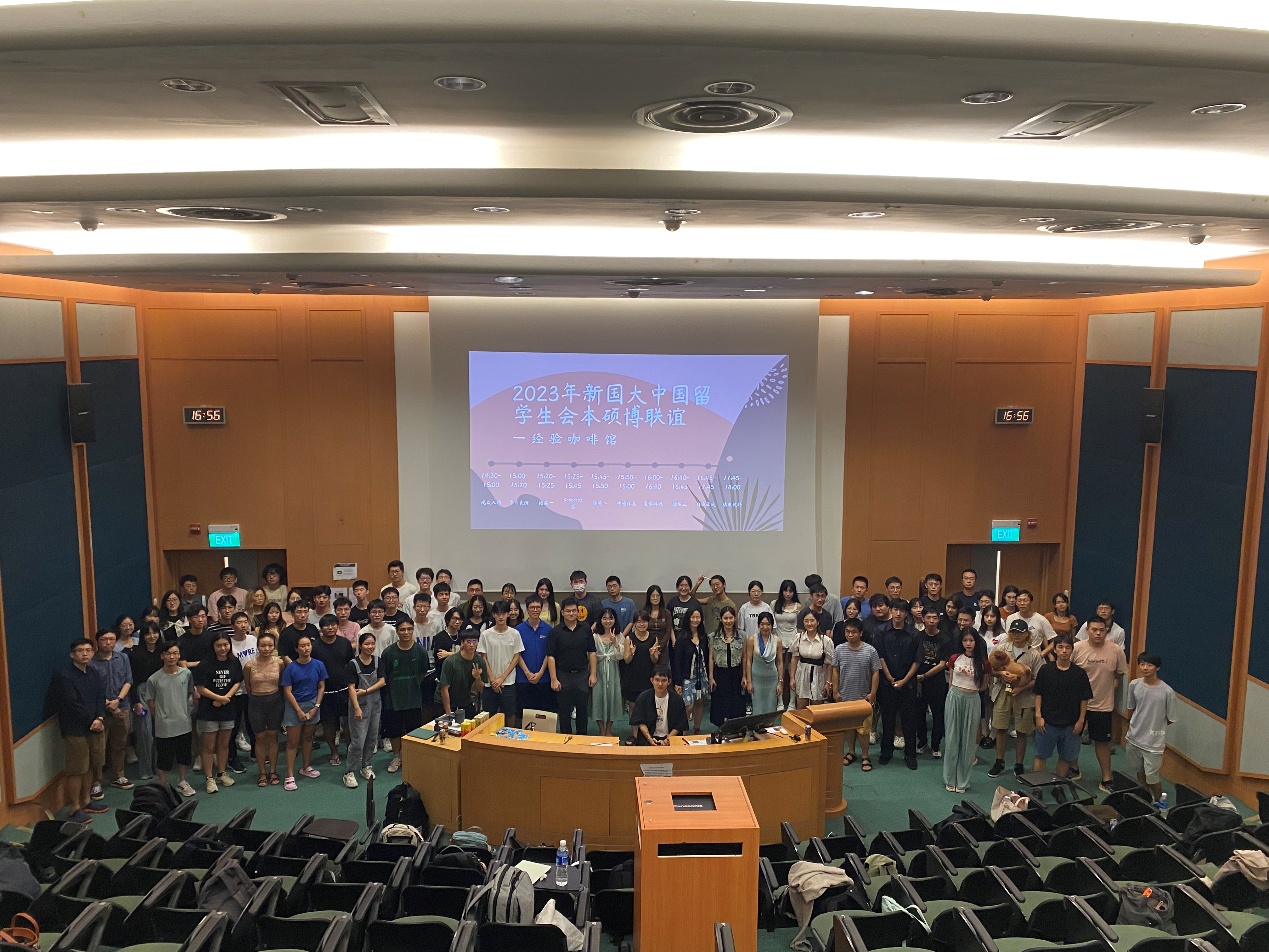
NUS Exchange Programme
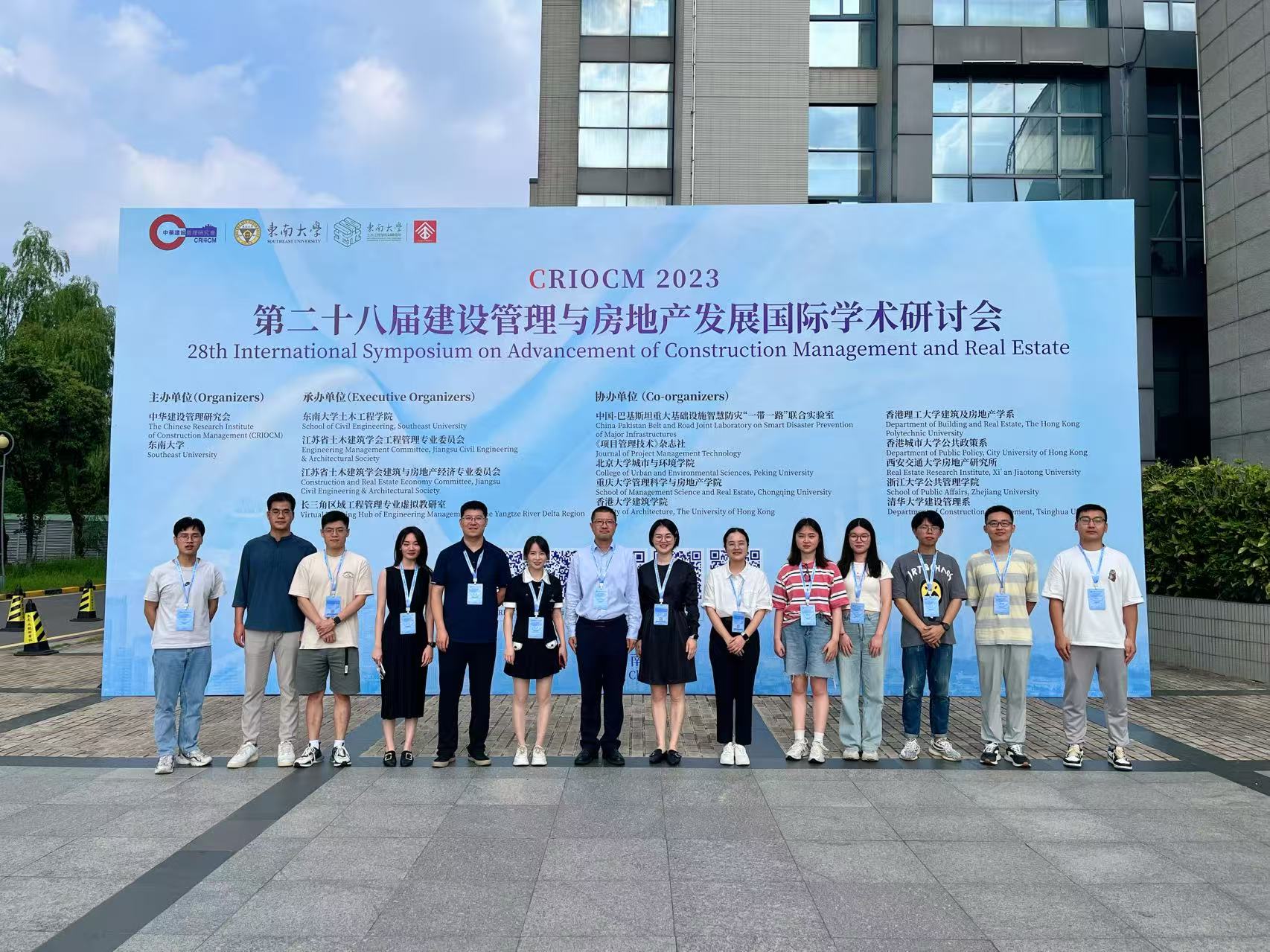
Students attending international academic conference
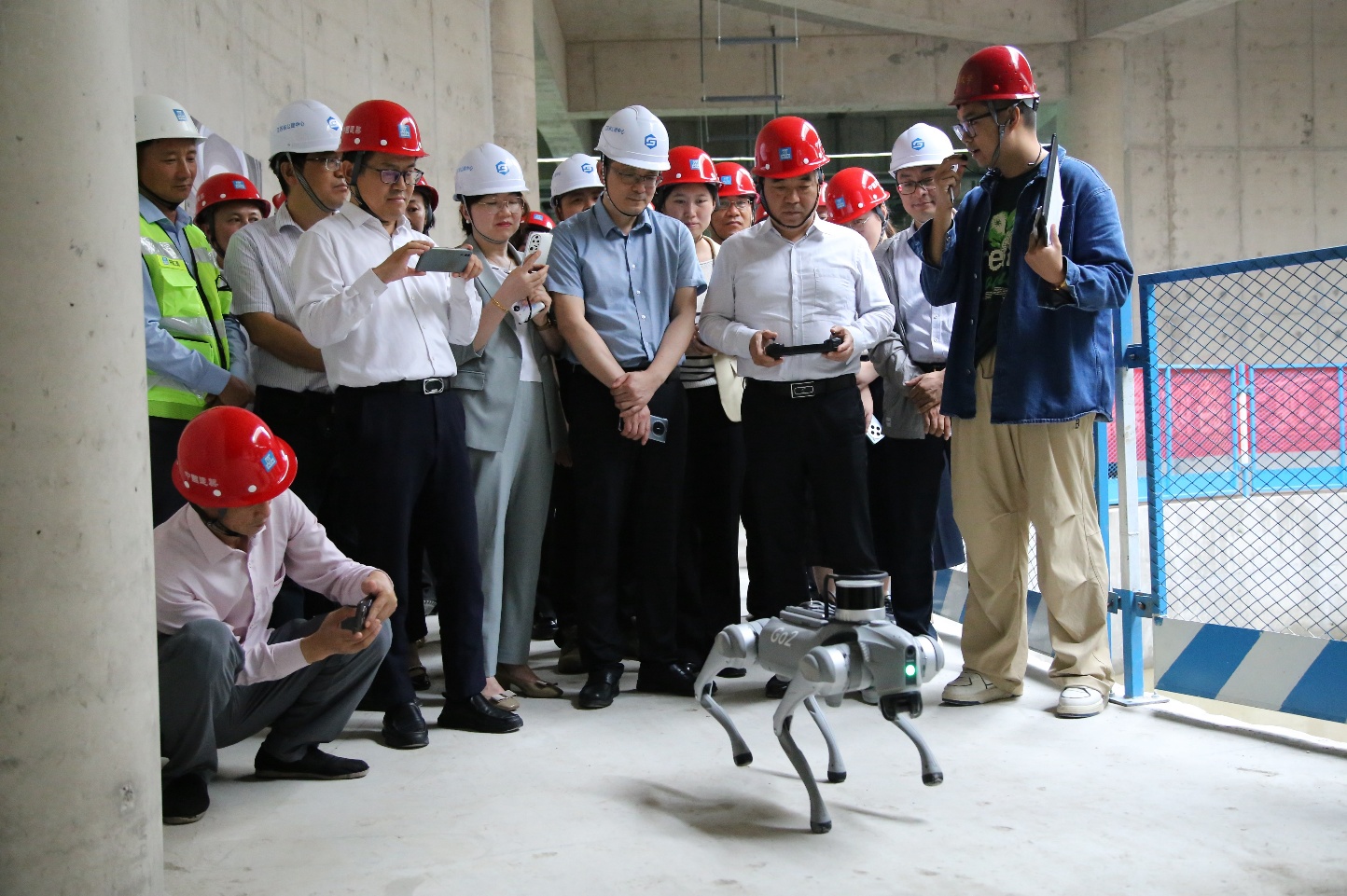
Quadruped Robot experiments on construction site

School of Civil Engineering, No.2 Southeast University Road,
Jiangning District, 211189, Nanjing, Jiangsu Province, P.R China
025-52091227
admin_civil@pub.seu.edu.cn

CopyRight © School of Civil Engineering 2012-2020
